
Weekend Reading #96


Weekend Reading: A weekly roundup of interesting Software Architecture and Programming articles from tech companies. Find fresh ideas and insights every weekend.
This week: bool.dev maps where AI helps or fails across the software development lifecycle; Meta explains confidential cloud processing for stateful AI glasses; Uber derives service dependencies by correlating every failure instead of relying on sparse traces; and Elastic presents a guarded agent pipeline that finds and validates Elasticsearch performance improvements.
AI Across the SDLC, Part 2: Where AI Fits and What Controls It
👉 For engineering leaders and software architects deciding where AI belongs in development workflows
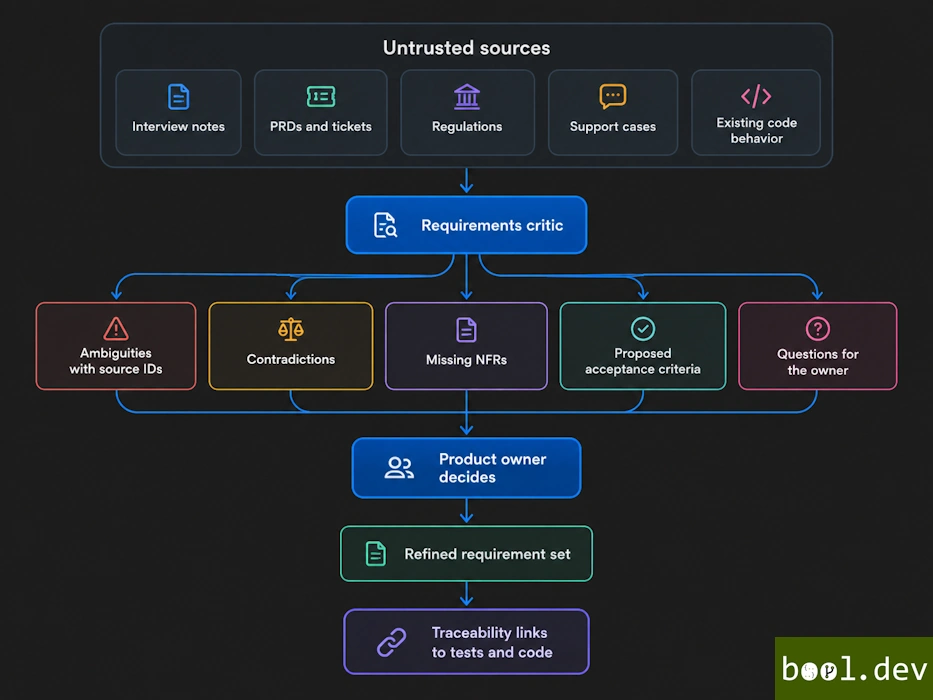
The article evaluates AI across requirements, design, implementation, testing, deployment, and operations. It distinguishes work that benefits from fast generation and objective feedback from decisions that still require human context, accountability, and architectural judgment.
Bringing Private Processing to Meta AI Glasses
👉 For security architects and platform engineers building privacy-sensitive AI services
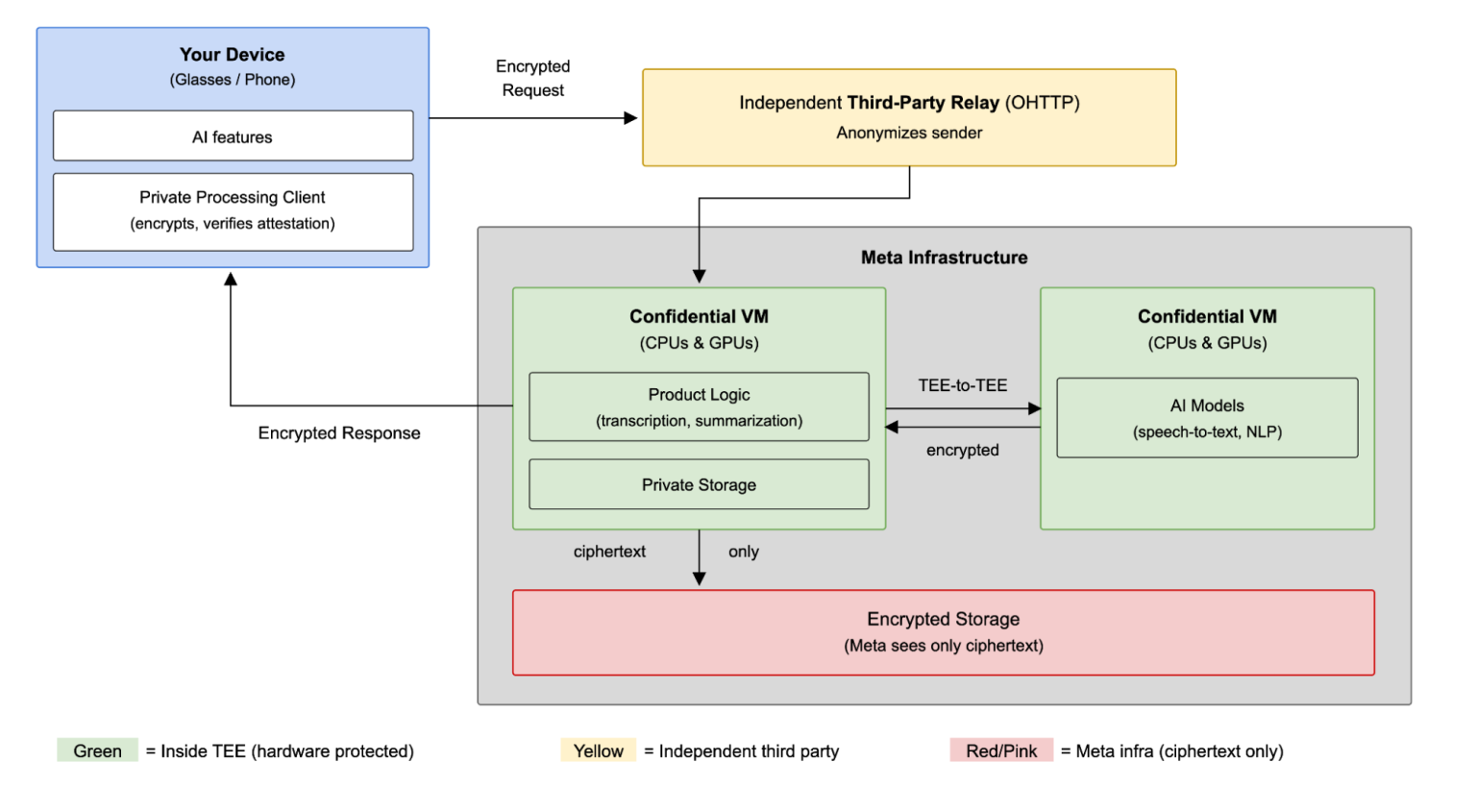
Meta extends the trust boundary from AI glasses into confidential virtual machines spanning CPUs and GPUs. The architecture combines anonymous credentials, OHTTP relays, remote attestation, public transparency ledgers, and storage inside trusted execution environments while limiting observability to aggregate operational signals.
Large-Scale Automated Dependency Analysis Across Uber's Service Mesh
👉 For SREs and backend engineers operating large microservice environments
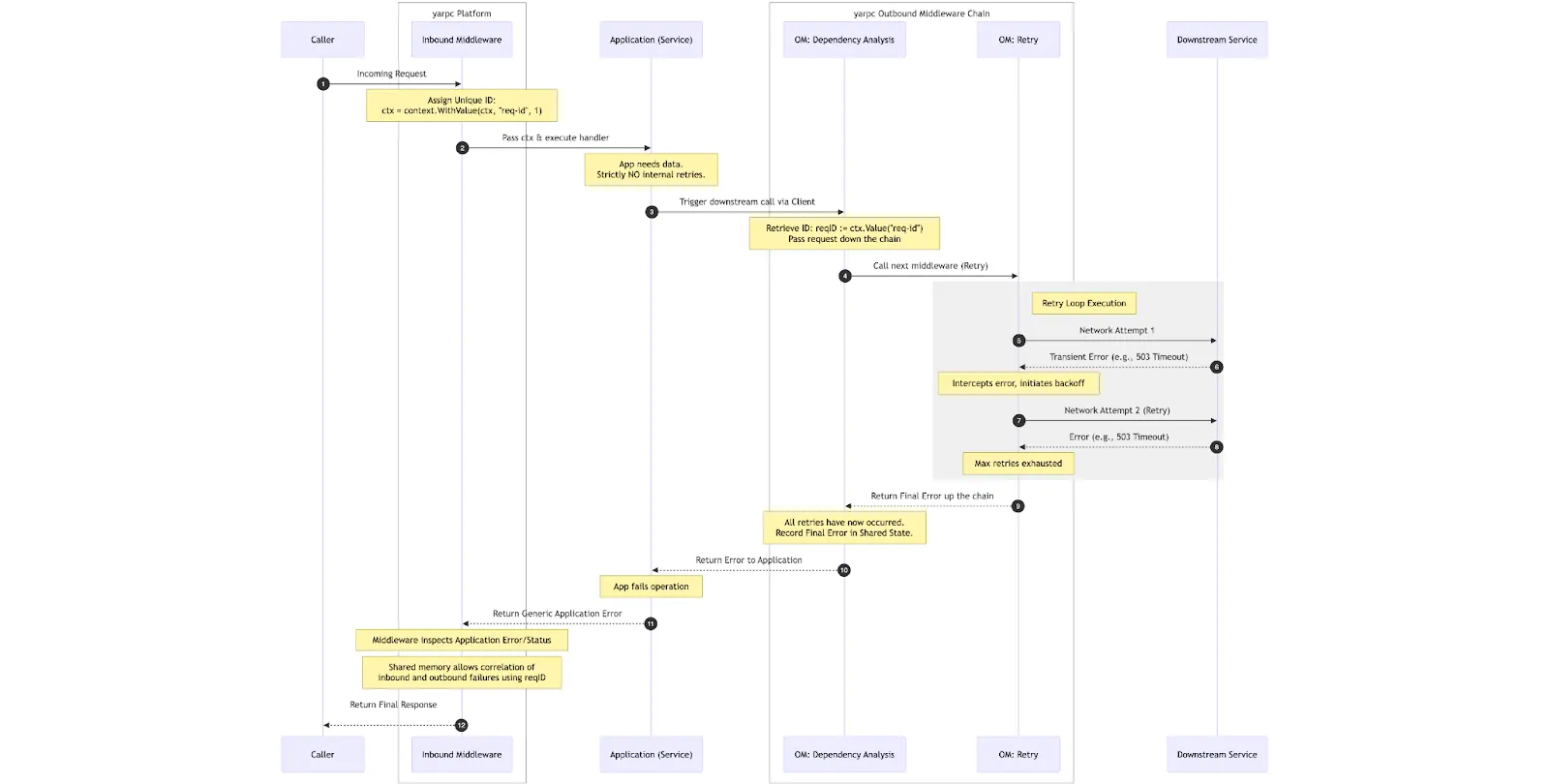
Uber classifies fail-close and fail-open dependencies by correlating inbound and outbound failures through YARPC middleware. At a 0.01% trace sampling rate, collecting ten relevant failures could take more than two days; observing every failure locally provides much faster dependency discovery without the cost of processing every distributed trace.
Trust, but benchmark: How we let an AI agent optimize Elasticsearch
👉 For performance engineers and platform teams introducing coding agents into production workflows
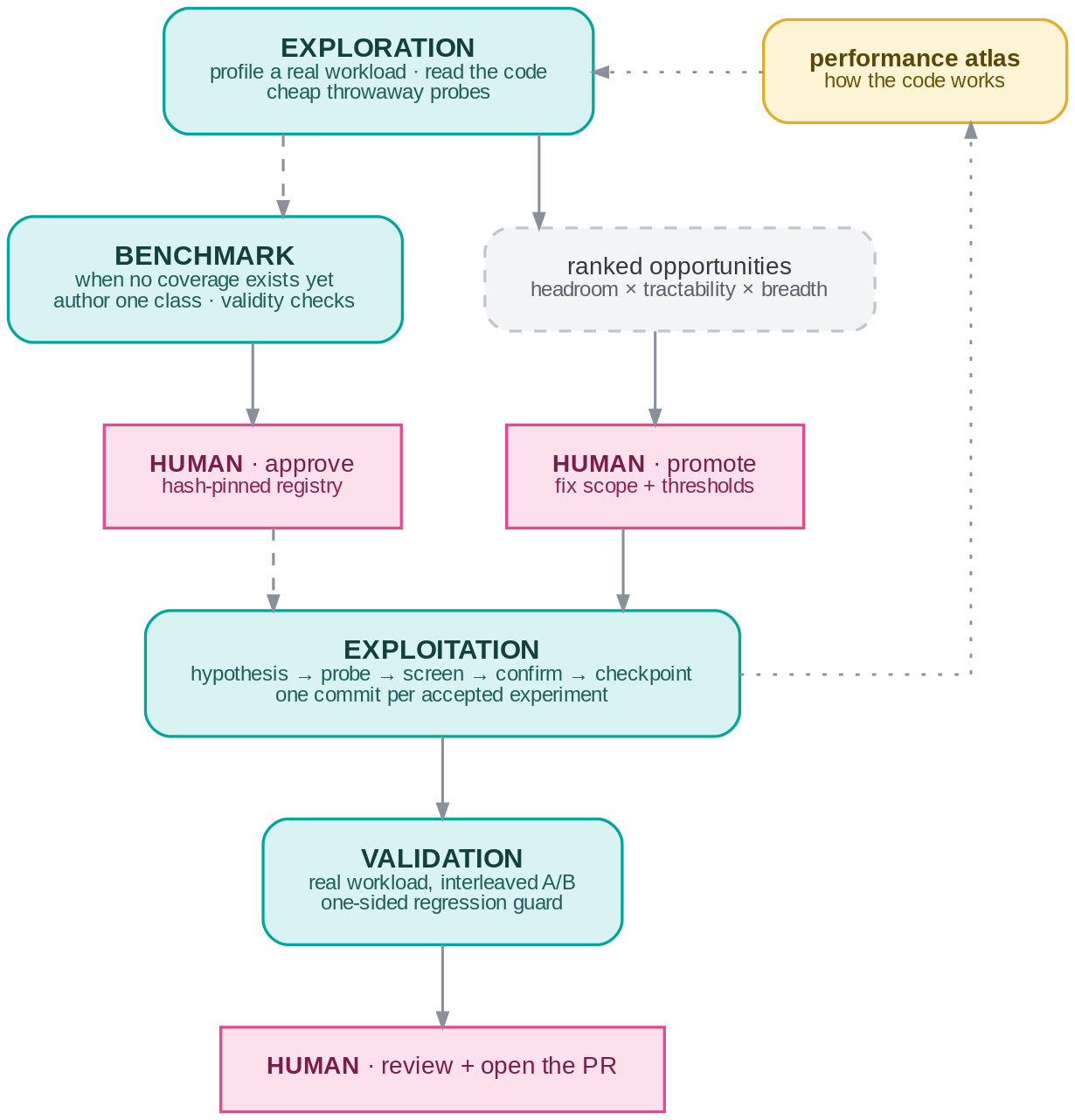
Elastic separates profiling, benchmark creation, optimization, and end-to-end validation into a guarded agent pipeline illustrated with an architecture diagram. Its verifier measures benchmark noise, pairs candidate and baseline runs, checks protected workloads for regressions, isolates tasks in Git worktrees, and leaves scope changes and outward-facing actions to humans.