
Weekend Reading #87


Weekend Reading: A weekly roundup of interesting Software Architecture and Programming articles from tech companies. Find fresh ideas and insights every weekend.
This week: a comprehensive guide to 17 prioritization frameworks with formulas, examples, and honest limitations for each. Netflix delivers a brutally honest follow-up on Service Topology: what broke in production and the counterintuitive fixes that saved it, including ditching gRPC and Scala immutability. Uber solves the AI agent identity crisis with SPIRE-backed JWTs and full actor chain propagation across multi-agent workflows. And Uber modernizes artifact storage by moving to SaaS, using a validation proxy that reduces egress to 5PB/month, down from 99%.
17 Prioritization Frameworks Guide
👉 For product managers, tech leads, engineering managers, and anyone who needs a structured way to decide what to build next
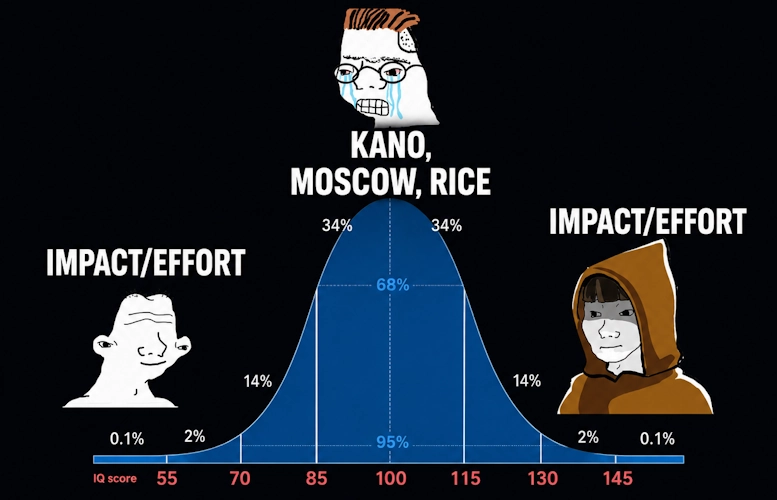
A practical guide covering 17 prioritization frameworks: MoSCoW, RICE, ICE, WSJF, Cost of Delay, Kano, Opportunity Scoring, technical debt prioritization, architecture prioritization, and more. Each framework comes with formulas, worked examples, limitations, and clear guidance on when to use it vs. when it'll fail you.
Building Service Topology at Scale: Architecture, Challenges, and Lessons Learned
👉 For SREs, platform engineers, and anyone who enjoyed the first Service Topology post and wants to know what broke when it hit production
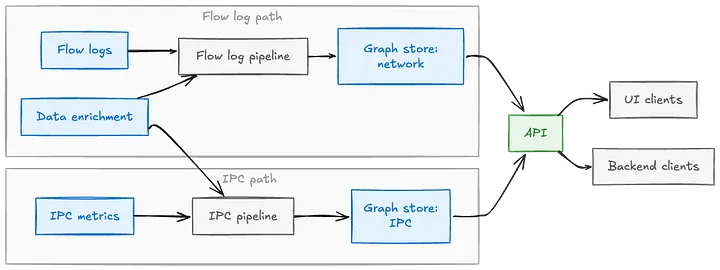
Netflix's follow-up to their Service Topology post — and it's a brutally honest one. The first version worked perfectly locally but fell apart in production: hot nodes got 100x the traffic, GC consumed more CPU than business logic, and Kafka consumers couldn't keep up. The fixes read like heresy — they ripped out gRPC for Server-Sent Events and abandoned Scala's immutability in favor of mutable aggregators, cutting heap allocation by over 50%.
Solving the Identity Crisis for AI Agents
👉 For security engineers, platform engineers, and anyone building agentic AI systems that need real identity, authorization, and audit trails
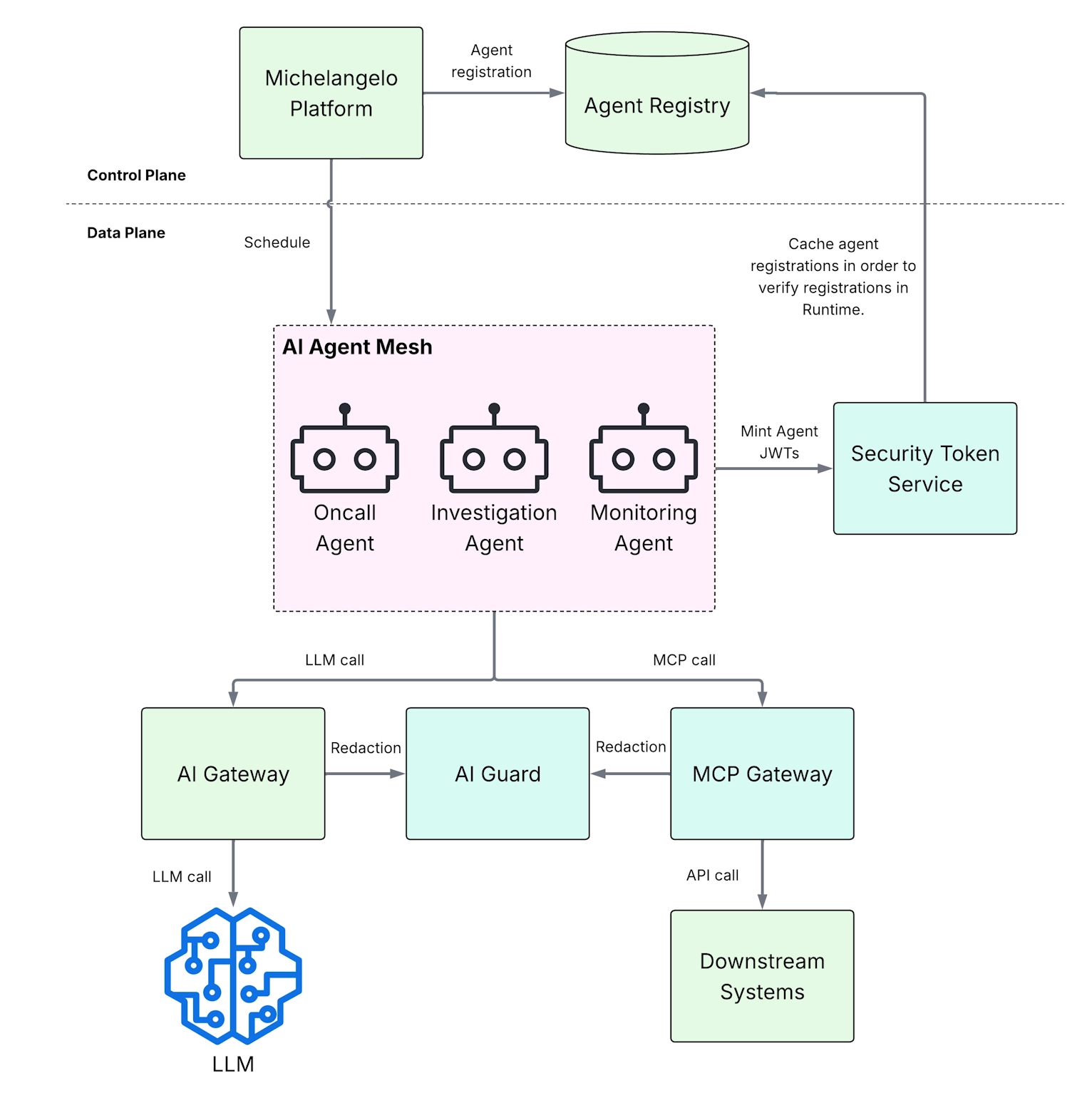
Uber tackles the fundamental problem of AI agent identity — when an agent calls another agent, which then calls an MCP tool, who actually acted, and why? They built an agent identity framework on top of SPIRE and a custom Security Token Service that mints short-lived, single-hop JWTs carrying the full actor chain (user → on-call agent → investigation agent → tool). The system now serves thousands of internal agents with P99 token exchange latency under 40ms.
Modernizing Artifact Storage at Uber
👉 For DevOps engineers, platform teams, and anyone managing build artifact infrastructure at scale
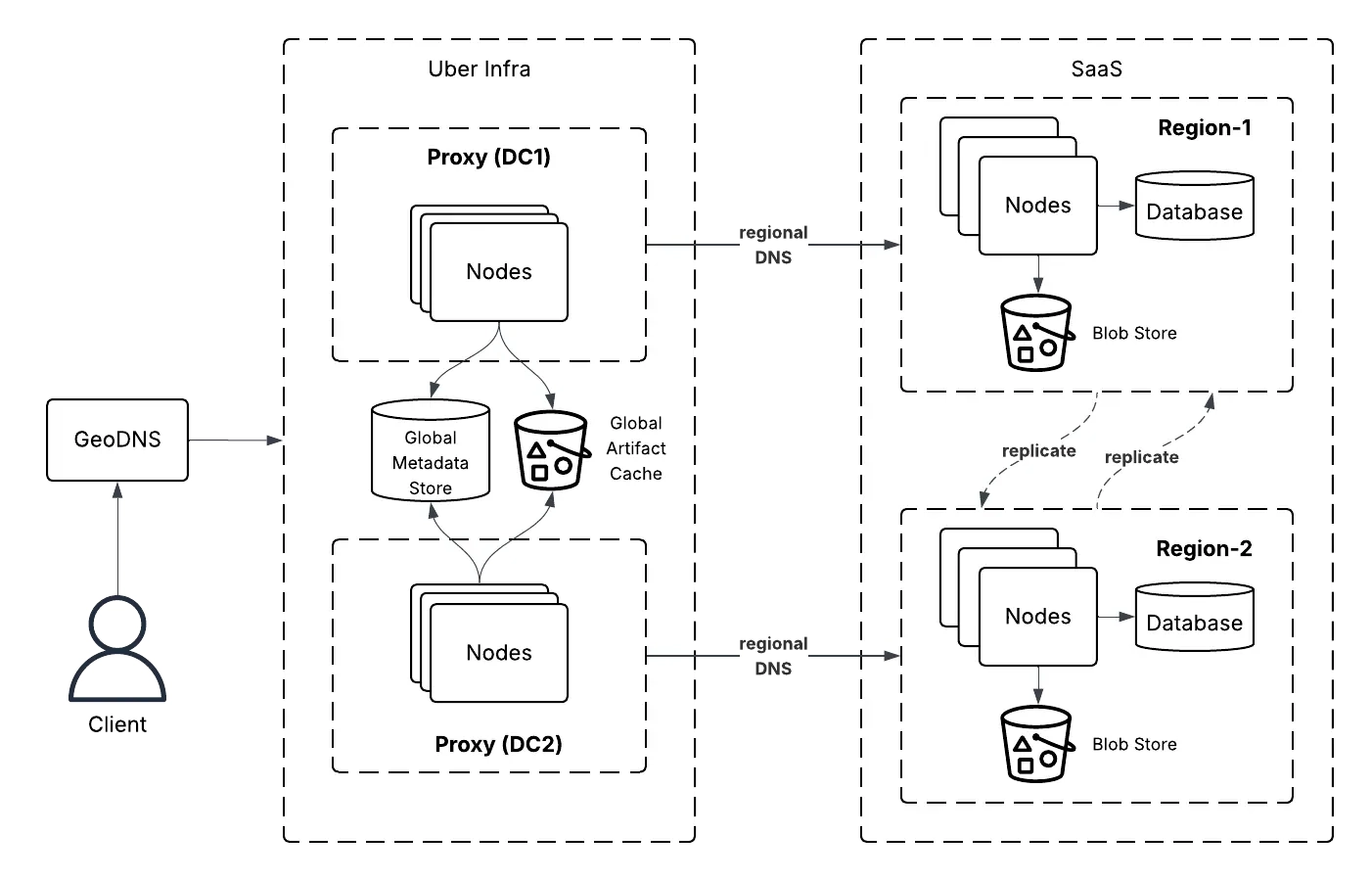
Uber migrated their decade-old on-prem artifact storage (plagued by disk space issues, inconsistent replication, and risky manual upgrades) to a managed SaaS platform with a custom validation proxy in front. The proxy uses conditional HTTP requests to avoid re-downloading unchanged artifacts, reducing egress by over 99% while maintaining 99.99% reliability across 5+ petabytes of monthly downloads.