


Weekend Reading: A weekly roundup of interesting Software Architecture and Programming articles from tech companies. Find fresh ideas and insights every weekend.
AI-Assisted Coding Interviews: 6 Formats and How to Score Them
👉 For engineering managers, interviewers, and engineers preparing for AI-assisted interviews

Allowing an AI assistant into an existing coding interview changes what the task measures. This guide compares six formats, from repairing an unfamiliar repository to reviewing generated code and directing agents. It includes a scoring rubric and a reusable 60-minute session built around fixing duplicate order creation.
The central question is how candidates investigate, delegate, and verify. A working first response reveals little about whether someone can identify a flawed assumption or recover when requirements change. The proposed rubric therefore includes minimum scores for verification, implementation, and security; its weights and thresholds are explicitly starting points for a pilot.
For teams adopting this format, define observable evidence before choosing the exercise. Record which defect the candidate found, how they tested it, and why they rejected a suggestion. Recalibrate tasks as models improve so the interview continues to measure engineering decisions.
Velox at Uber: Rebuilding Presto's® Execution Engine for Speed and Scale
👉 For data platform engineers migrating query engines and evaluating performance claims
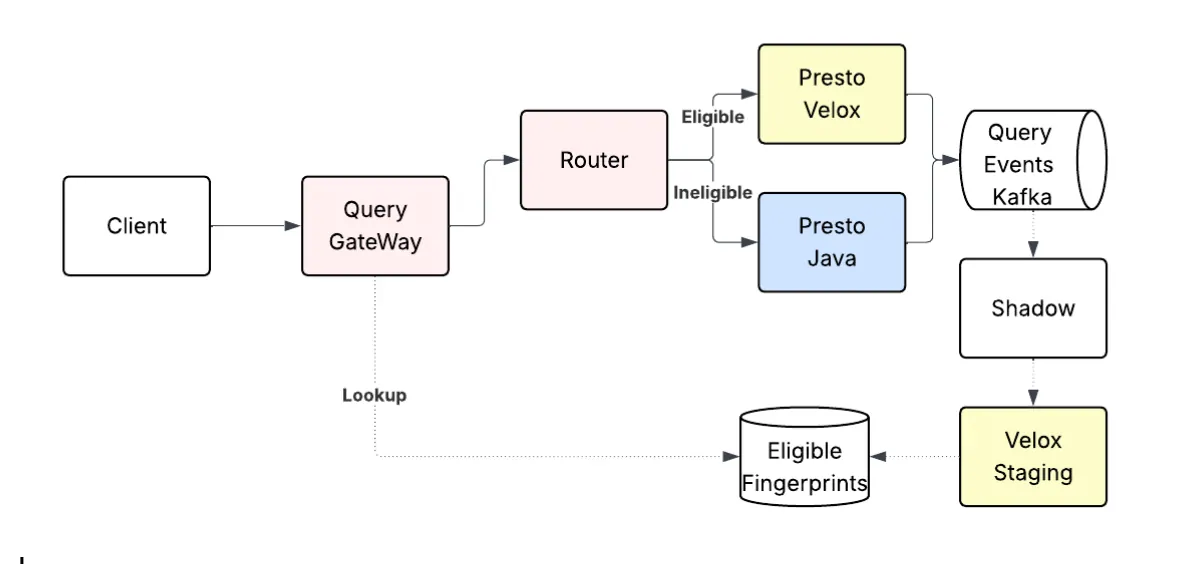
Uber’s move from Java-based Presto execution to the vectorized C++ engine Velox required new observability, memory controls, and extensive Parquet compatibility work. Initial routing admitted only query fingerprints that passed shadow comparisons. Later, a blocklist of known failures enabled broader adoption.
A production shadow study on eligible traffic measured approximately 2.4× faster queries and a 3.06× lower CPU footprint at equal capacity. Eligibility matters: unsupported workloads and Java fallbacks remain.
The migration offers a useful evaluation framework. Separate execution speed, result correctness, and operational readiness, and demand evidence for each. Historical file formats and long-tail queries can undermine an impressive benchmark. Before replacing an engine, budget for compatibility tests and debugging tools alongside the performance work, and keep the fallback path observable enough to reveal what still prevents migration.
How LinkedIn Runs Compute: Self-Managed Kubernetes on 500,000+ Bare-Metal Servers
👉 For platform engineers and SREs designing workload APIs and maintenance automation
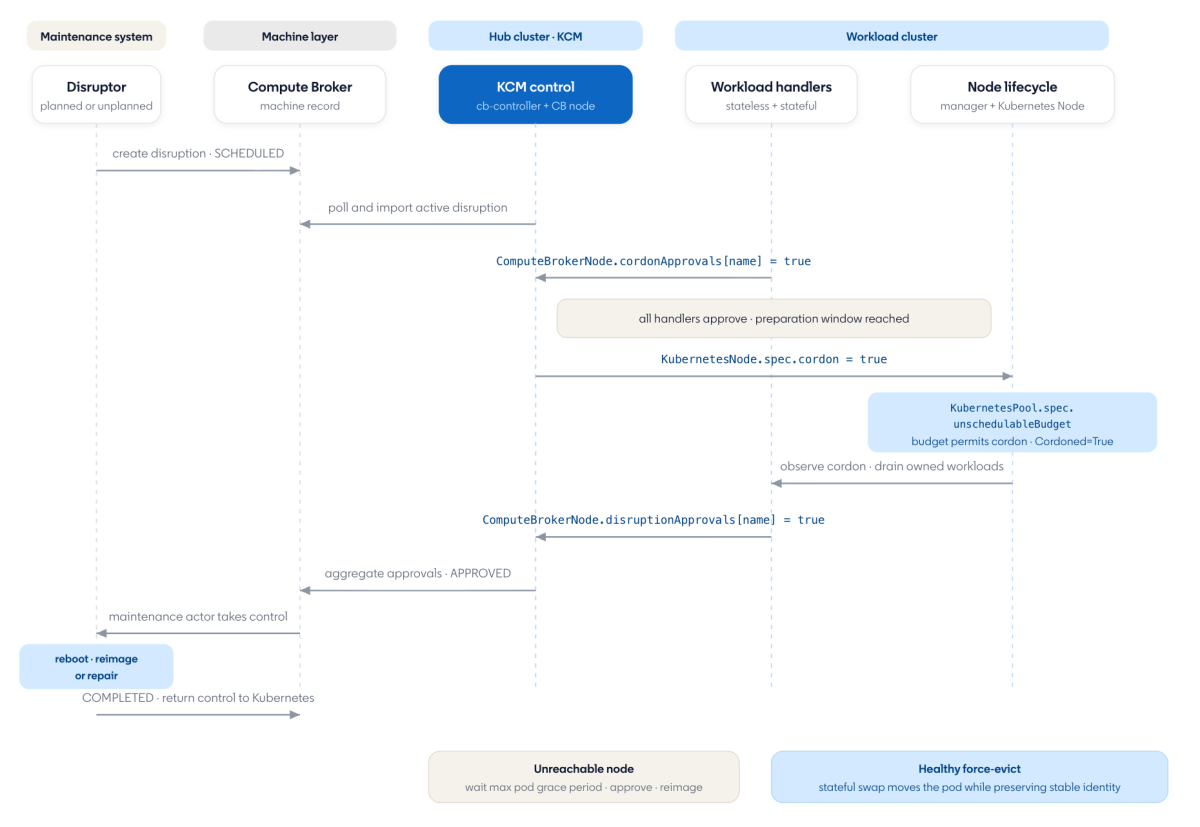
LinkedIn combines machine allocation, Kubernetes cluster management, and developer-facing workload platforms. Most application teams use curated APIs, while the platform handles placement and infrastructure lifecycle. Maintenance proceeds through a shared disruption protocol that checks whether affected workloads can tolerate the removal of a machine.
For stateful systems, a common operator delegates application-specific safety decisions to an Application Cluster Manager. Maintenance zones and capacity budgets further constrain how much infrastructure can become unavailable.
The reusable idea is the division of responsibility: infrastructure owns the maintenance procedure, while each data system owns the conditions that make disruption safe. Smaller teams can adopt that boundary without reproducing LinkedIn’s entire platform. Start by identifying who can authorize an eviction and what evidence they need; otherwise, automated maintenance merely executes unsafe assumptions faster.
Hire a Cyber-Scribe as an Intern: How We Automated Documentation Writing
👉 For tech leads and teams maintaining documentation with coding agents
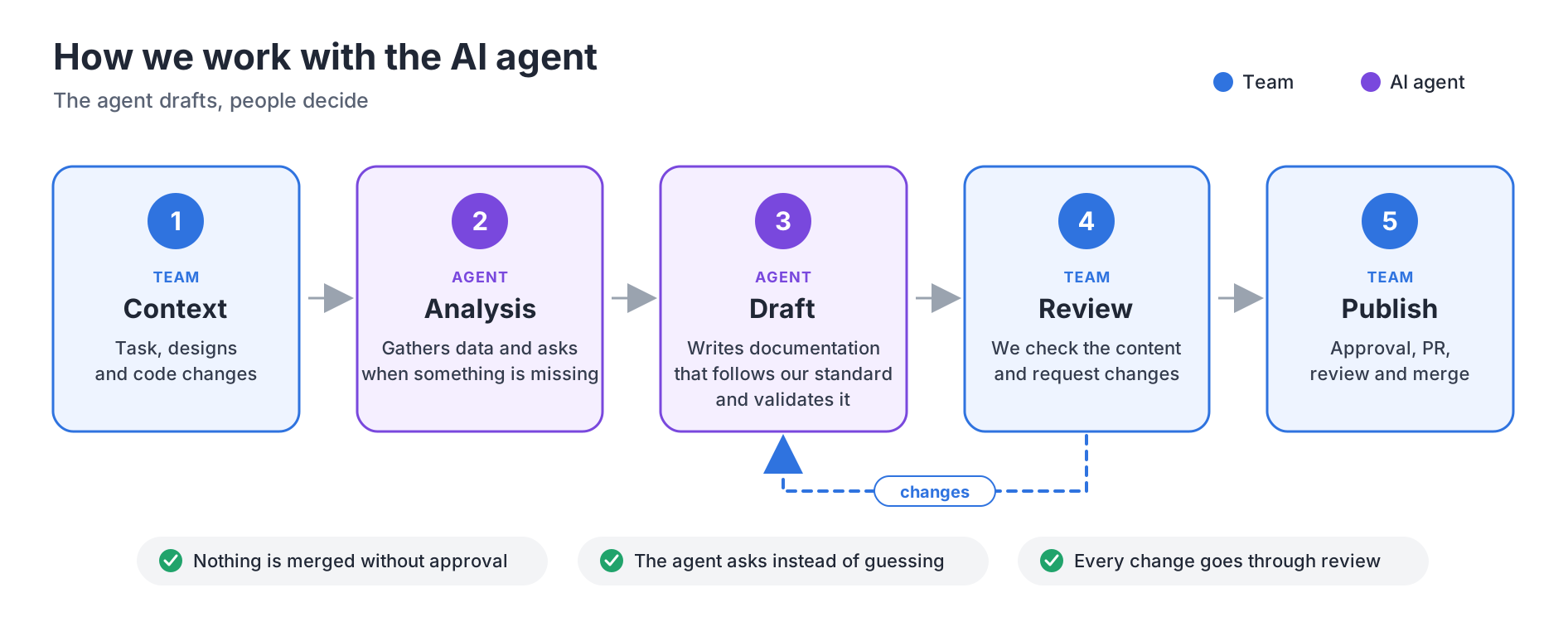
Allegro organizes documentation around owned feature pages, structured project briefs, and source-linked drafts. Briefs describe intended behavior; code and tests establish implementation evidence. An agent gathers that context and drafts updates, while validators check repository conventions and people review factual claims.
The useful detail is how contradictions survive the process. A claim inventory distinguishes verified, historical, and unresolved statements, giving reviewers concrete follow-up work instead of a polished narrative that conceals missing evidence.
This suggests a better measure of documentation automation: how easily a maintainer can verify a page. Generating more text can increase maintenance costs if its provenance is unclear. Start with one feature, preserve links to authoritative sources, and measure reviewer effort and unsupported claims before expanding the workflow.
Comments (0)