
Google Search will have more AI slop

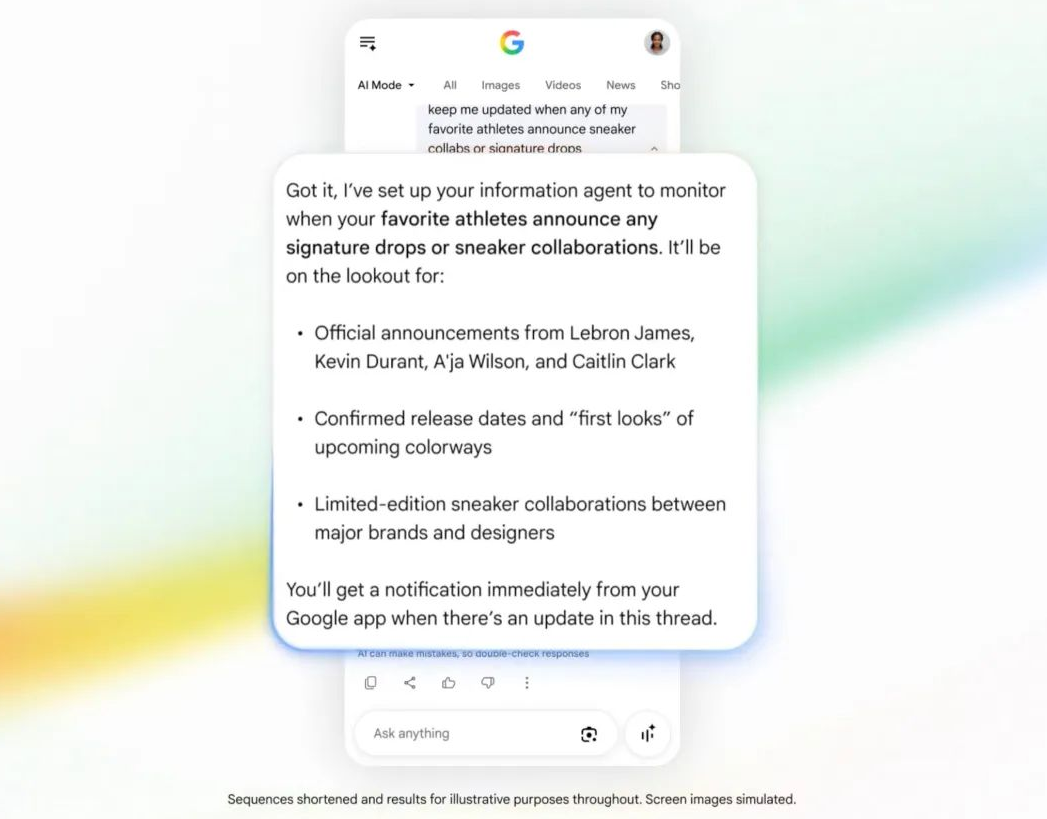
At Google I/O 2026, the company announced the biggest change to Google Search in 25 years. The updates transform Search from a simple list of links into an AI-powered system that takes action for you. Here's what's coming.
The End of the Blue Link Era
Google announced that Search will support longer, more specific queries, including questions that are closer to natural language than traditional search terms. The 10 blue links you've known for decades are giving way to something different.
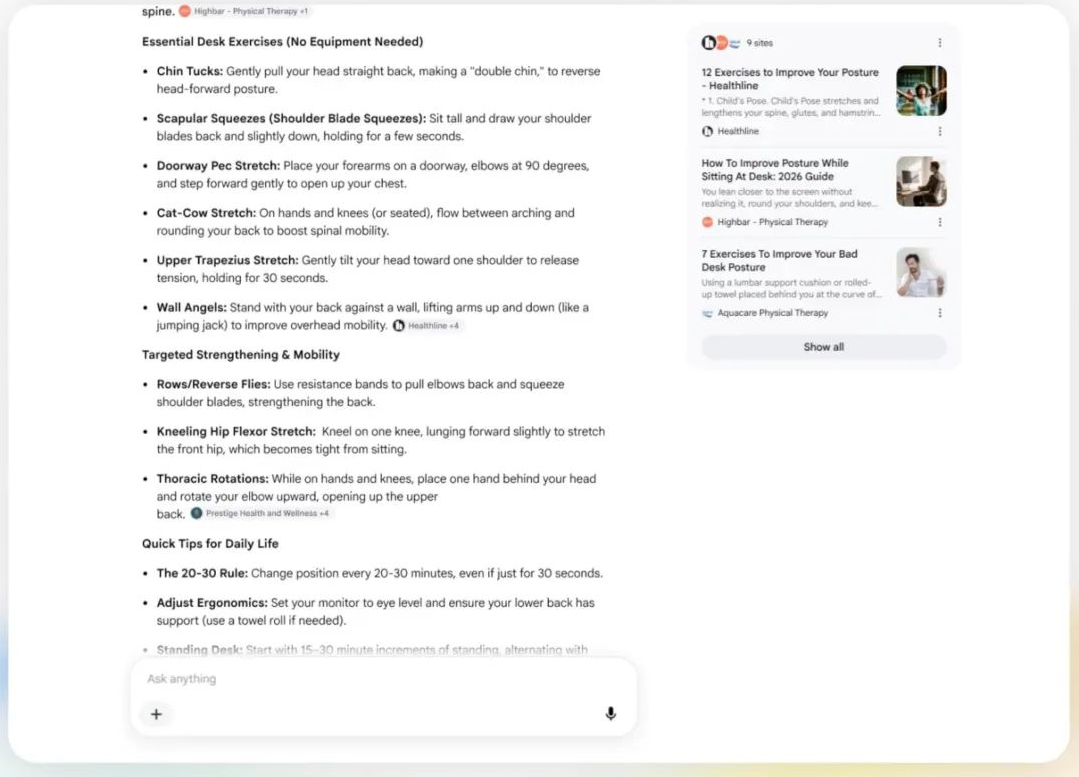
Instead of clicking through websites, you'll interact with AI-powered tools built directly into Search results. Google introduced what it called the biggest upgrade to the Search box in more than 25 years: an intelligent search box that expands as you type, accepts text, images, files, videos, and Chrome tabs, and helps you formulate richer questions.
AI Agents Work for You 24/7
The centerpiece of the update is Search Agents. These are personalized AI agents you set up to work in the background, 24/7, to find what you need at exactly the right moment, and help you take action.
A concrete example: you're looking for an apartment. You describe exactly what you want, and the agent continuously scans listings. When something matches, you get notified. No need to check manually.
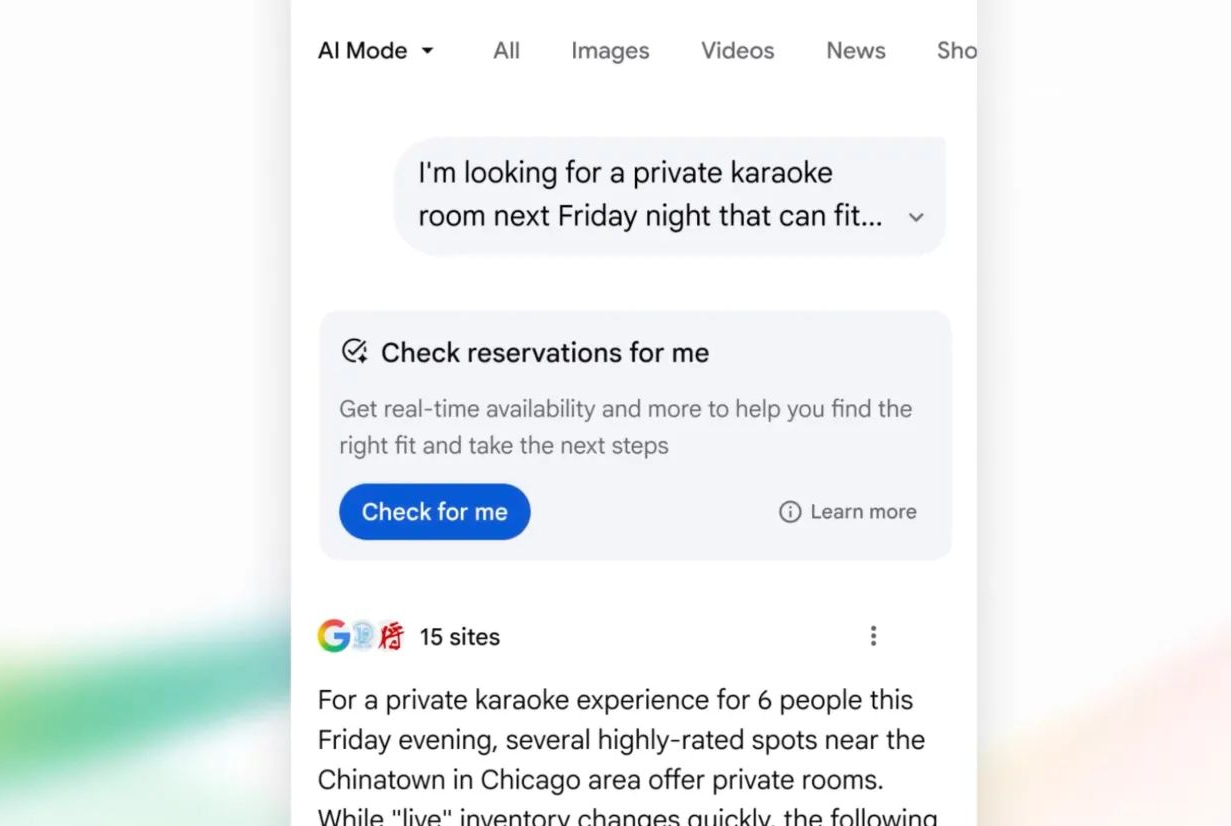
Information agents are rolling out this summer, starting with Google AI Pro and Ultra subscribers.
Custom Dashboards Built On Demand
Search agents monitor the web, news, blogs, social posts, finance, shopping, and sports data for a specific ongoing question. Beyond monitoring, Search builds custom interfaces for complex tasks.
Planning a wedding. Search creates a tracker that pulls live data from reviews, Maps, and weather. Building a fitness routine. The same approach applies.
Search builds persistent, custom dashboards or trackers that you return to and make progress on. You build custom experiences with Antigravity, right in Search in the coming months, starting first for Google AI Pro and Ultra subscribers in the U.S.
The Technology Behind the Changes
The changes are powered by Gemini 3.5 and will be available through AI Mode. Google upgraded Search with Gemini 3.5 Flash as the new default model in AI Mode for everyone globally.
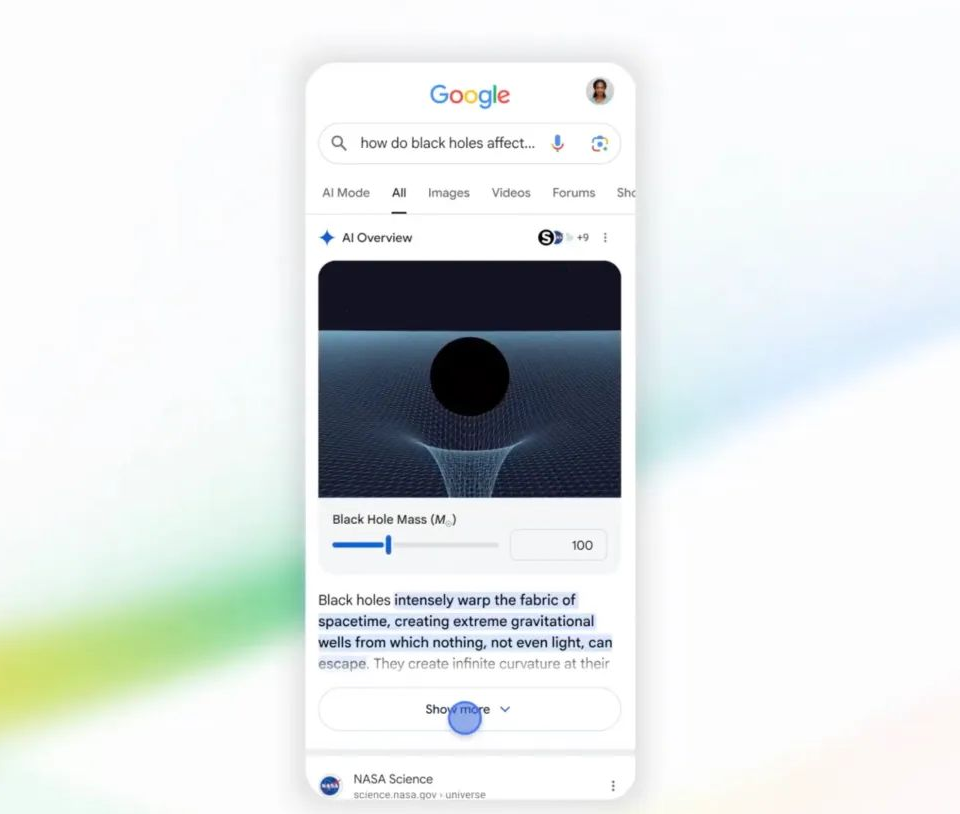
Search builds the ideal response, in the right format for your question, completely on the fly. You get a custom generative UI, including visual tools and simulations, precisely tailored to your needs.
What This Means for Different Users
- For everyday users: You'll search differently. Instead of typing keywords, you describe what you want in natural language. Search understands intent better and provides interactive tools rather than links.
- For professionals: You set up an information agent to monitor financial markets in a specific sector with custom parameters. The agent builds a monitoring plan, determines what data it needs, and alerts you when conditions change.
- For researchers: Whether you wrap your mind around astrophysics or visualize how your watch works, Search designs custom layouts that assemble components such as interactive visuals, tables, graphs, or simulations in real time.
Timeline and Availability
Generative UI capabilities will be available for everyone in Search this summer, free of charge. Information agents are rolling out this summer, starting with Google AI Pro and Ultra subscribers.
The Media Problem
Media companies are concerned. The changes represent the biggest reinvention of the search box in 25 years. When users interact with AI summaries and dashboards inside Google, they click fewer external links. Traffic to news sites and smaller websites drops. Ad revenue follows.
Some media outlets worry this shift could threaten their business model entirely.
What Changes for You
You'll notice the shift this summer. Your searches will work differently. Instead of browsing links, you'll work with agents and custom tools. Typing a query becomes a conversation. The search box listens, suggests, and builds experiences tailored to your needs.