
Weekend Reading #84


Weekend Reading: A weekly roundup of interesting Software Architecture and Programming articles from tech companies. Find fresh ideas and insights every weekend.
This week: a beginner-friendly walkthrough of the full LLM training pipeline from pretraining to distillation. Netflix shares how it built Service Topology — a real-time dependency map that combines eBPF, IPC metrics, and distributed tracing into a unified graph with sub-second queries. Airbnb explains how geographic signal propagation rescues corridor-level forecasts when local history breaks down. And Pinterest details rebuilding its user sequence infrastructure into a unified, cost-efficient platform powering ranking and recommendation models.
How Modern LLMs Are Actually Trained: SFT, RLHF, DPO, Instruction Tuning, and Distillation
👉 For junior and mid-level developers, AI enthusiasts, and anyone who wants to understand the full LLM training pipeline beyond just "pretraining."
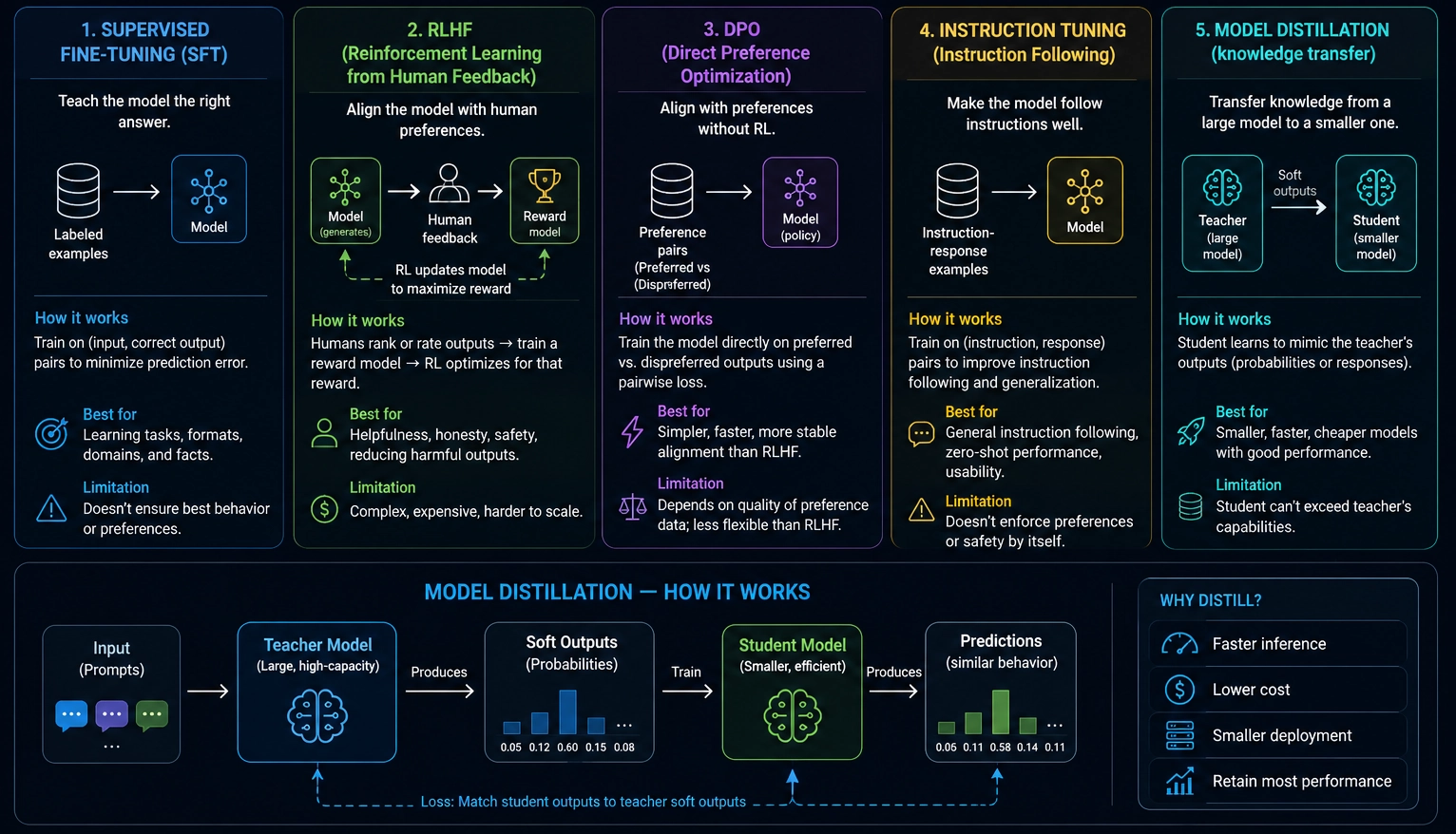
A clear, step-by-step guide that walks through how raw foundation models become production-ready AI assistants, covering pretraining, instruction tuning, supervised fine-tuning (SFT), alignment via RLHF and DPO, and model distillation. Written for engineers who want to understand what happens after the base model is trained.
From Silos to Service Topology: Why Netflix Built a Real-Time Service Map
👉 For SREs, platform engineers, and infrastructure teams managing large-scale microservice architectures
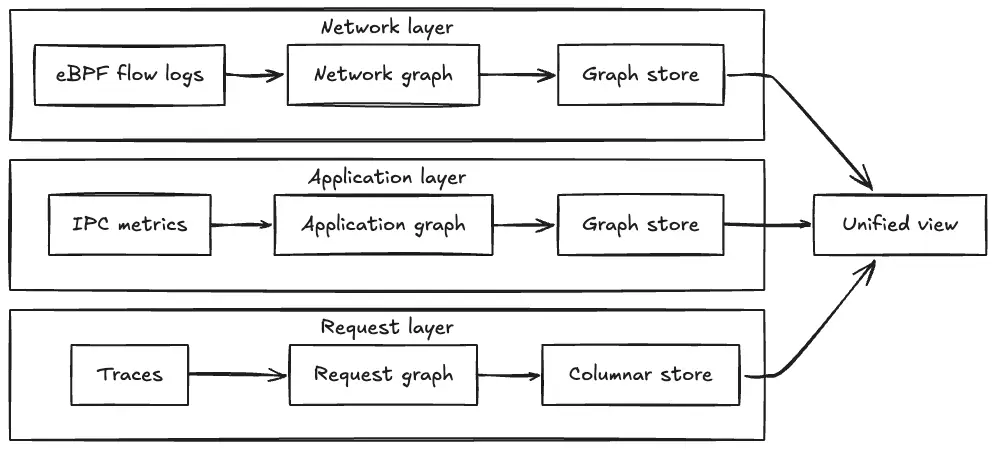
Netflix built Service Topology, a real-time dependency map that combines three complementary data sources (eBPF network flows, IPC metrics, and distributed tracing) into a unified graph. The system enables engineers to visualize blast radius, filter by availability tier, and resolve incidents faster with sub-second multi-hop traversal queries via gRPC.
When History Fails You, Borrow from Geography
👉 For data scientists, forecasting engineers, and anyone building prediction models that need to handle structural breaks or sparse local data
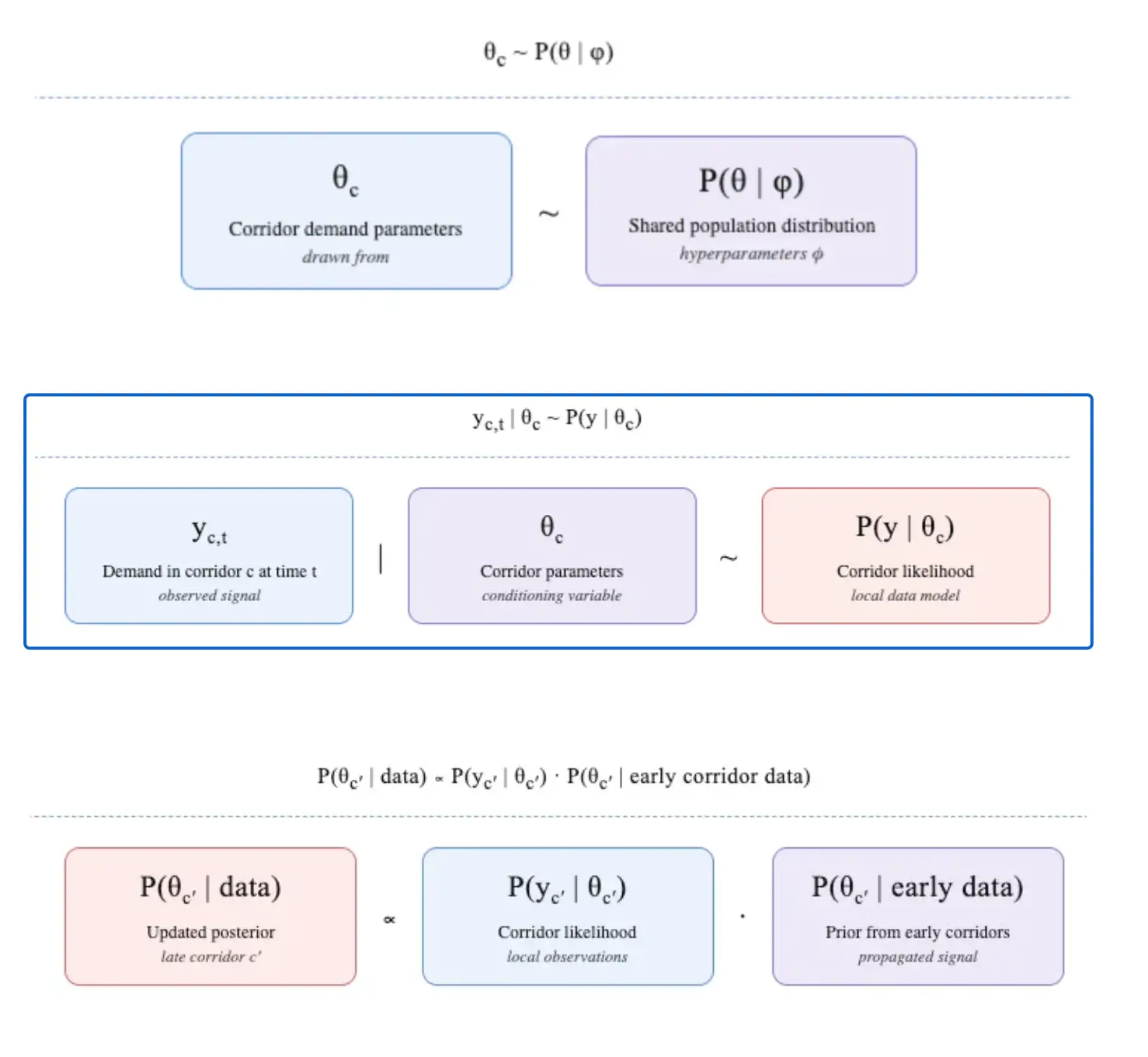
Airbnb describes how they handle corridor-level forecasting when local historical data becomes unreliable by borrowing sequential geographic recovery signals from similar markets and propagating priors across regions. The approach generates stable forecasts even when a corridor has no usable history of its own.
Making User-Sequence Data More Cost-Efficient, Faster, and Easier to Use
👉 For ML infrastructure engineers, feature platform teams, and anyone building user sequence pipelines for ranking or recommendation models
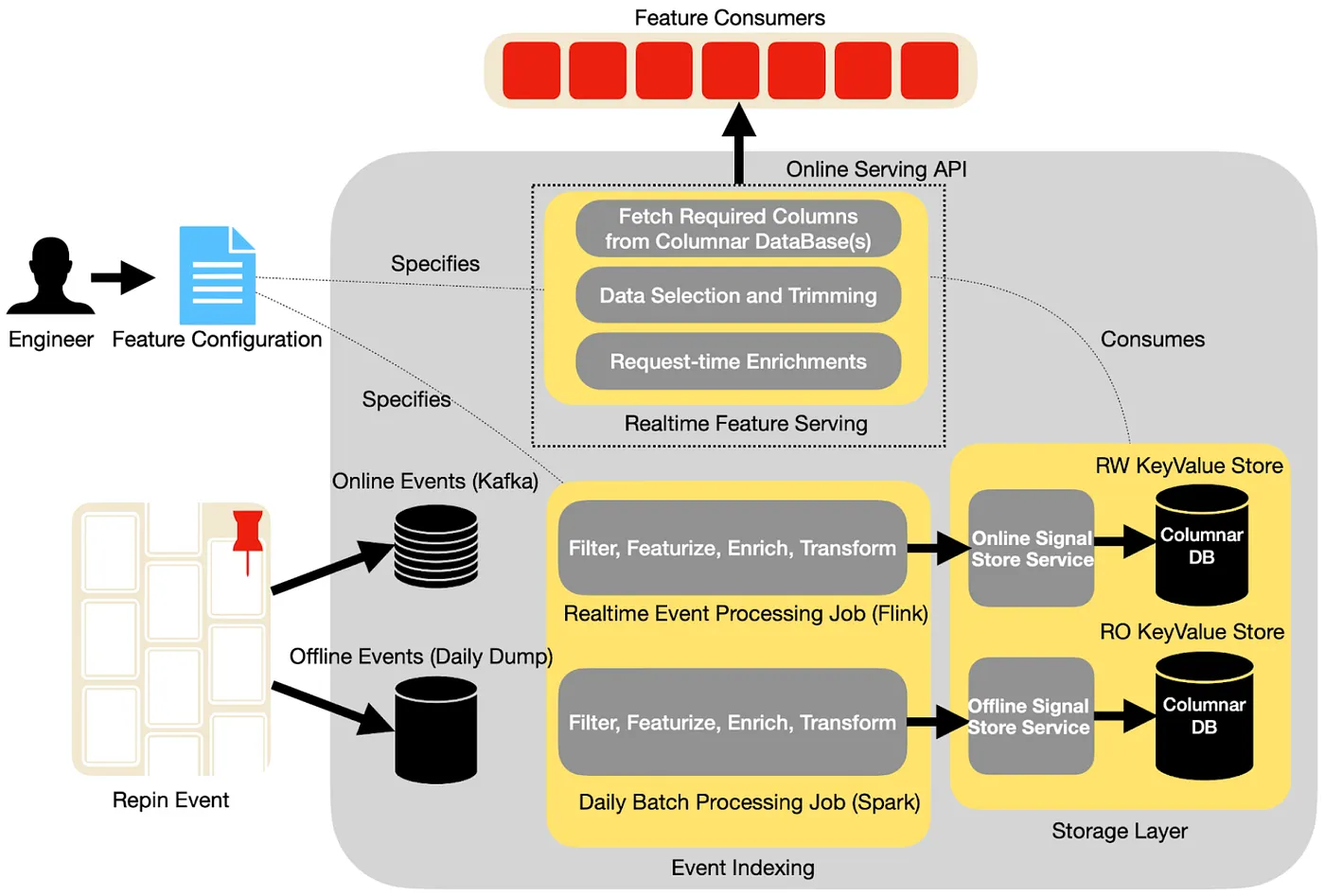
Pinterest rebuilt its user sequence infrastructure, the "last N actions a user took" data that powers ranking and retrieval models, into a unified platform that's cheaper, faster, and easier for ML teams to consume. The post covers the common pain points of sequence data at scale and how they solved enrichment, serving, and training consistency within a single system.