
Weekend Reading #83


Weekend Reading: A weekly roundup of interesting Software Architecture and Programming articles from tech companies. Find fresh ideas and insights every weekend.
This week: a practical .NET guide to managing AI conversation history with four strategies from full replay to vector recall. Uber shares DeepETT, a graph-aware transformer serving 2 million real-time traffic forecasts per second across 100 million road segments, driving $100M in annual value. And Airbnb details its shift from PaaS to a unified knowledge-graph infrastructure that powers identity resolution at scale.
AI Conversation History: 4 Strategies with .NET samples
👉 For .NET developers, AI engineers, and anyone building chatbots or AI assistants who need to manage token costs and context limits
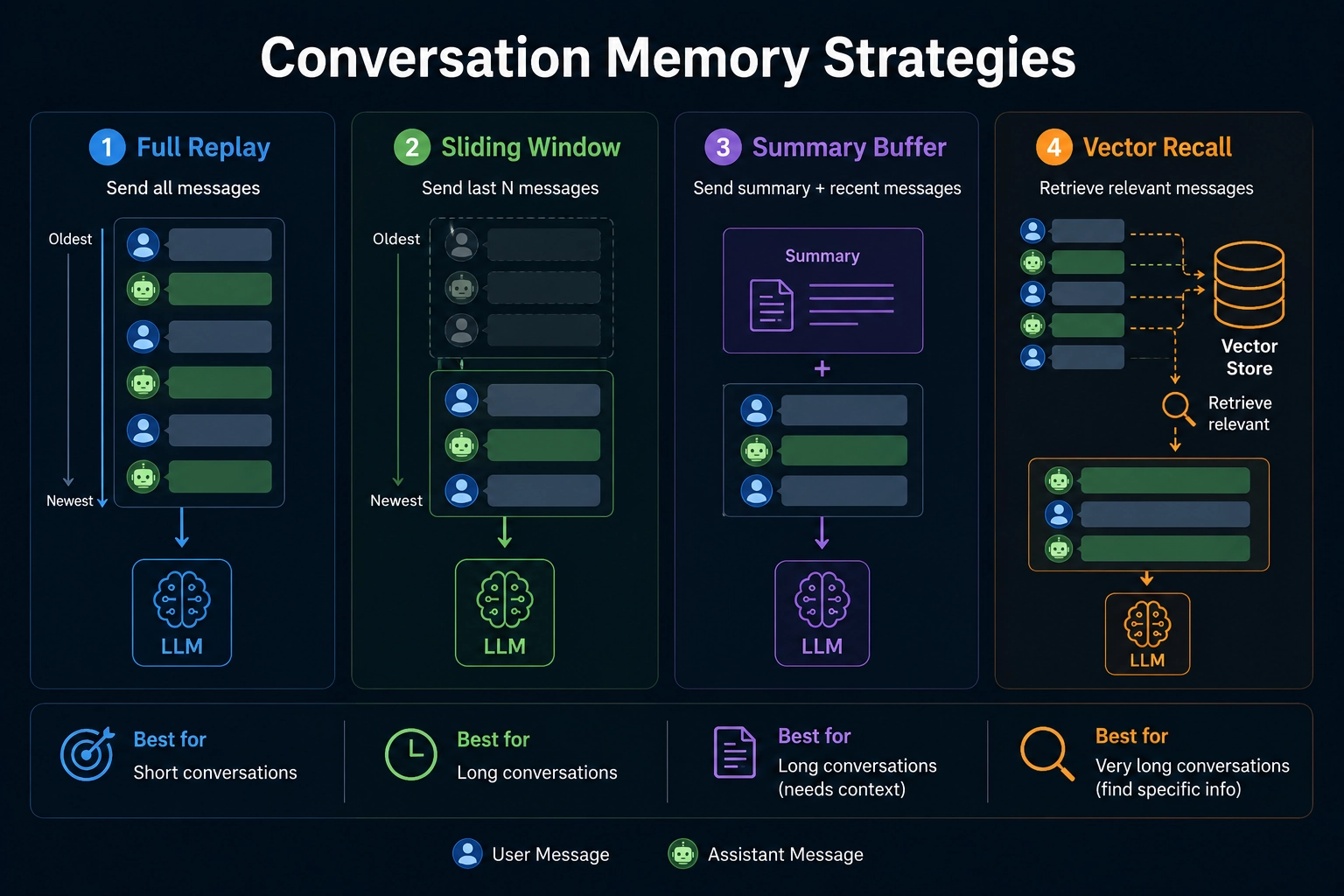
A hands-on guide to four conversation history strategies: full replay, sliding window, summary buffer, and vector recall with C# code samples, token counting with Microsoft.ML.Tokenizers, and a clear breakdown of when each approach makes sense based on session length, cost, and context quality.
I want to extend my Claude sessions (full guide)
👉 For engineers who use AI tools actively and want to have advanced capabilities
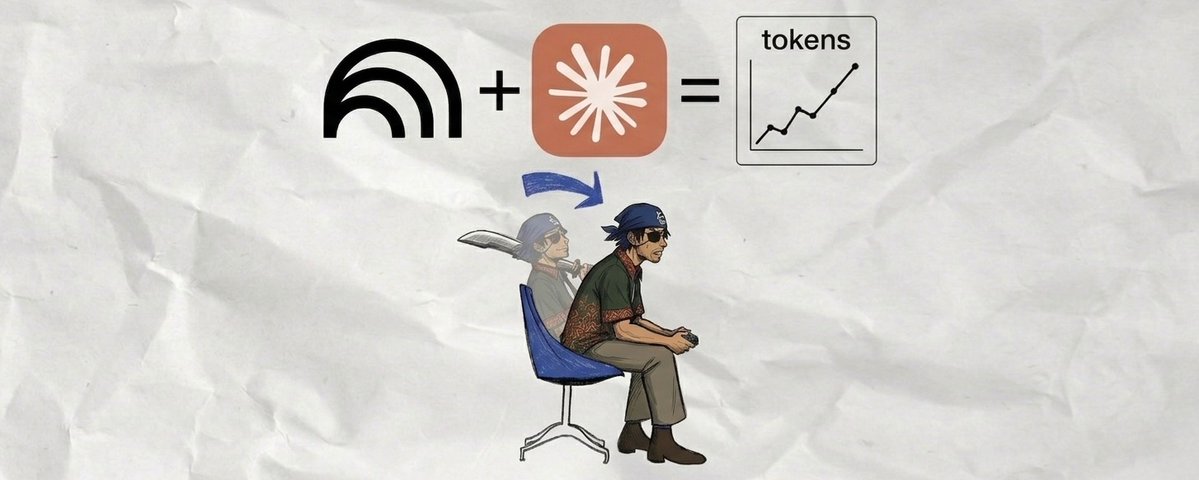
An article on how to use the reverse-engineering tool notebookLM CLI and Claude Code’s skills to bypass limits when parsing large documents and achieve memory persistence across sessions
Scaling Real-Time Traffic Forecasting with a Graph-Aware Transformer
👉 For ML engineers, applied scientists, and infrastructure teams working on real-time prediction systems at massive scale
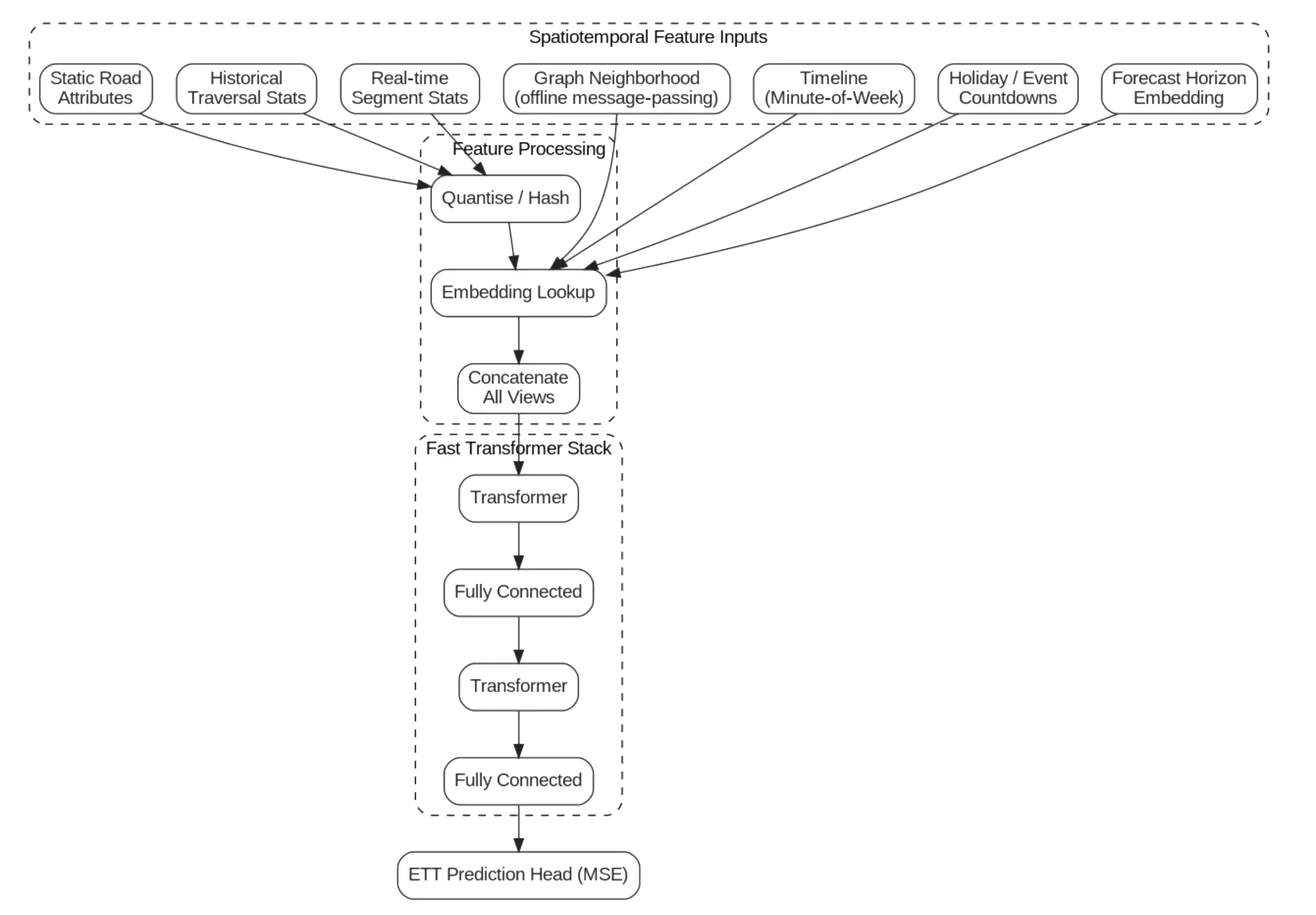
Uber rebuilt their traffic forecasting stack with DeepETT, a graph-aware transformer model that processes tens of billions of GPS pings daily across 100 million road segments, serving 2 million forecasts per second. The system improved long-trip ETA accuracy by 6% and drives an estimated $100 million in annualized revenue.
Scaling Airbnb's Identity Graph with a Unified Knowledge Graph Infrastructure
👉 For data platform engineers, graph infrastructure teams, and anyone building identity resolution or knowledge graph systems at scale
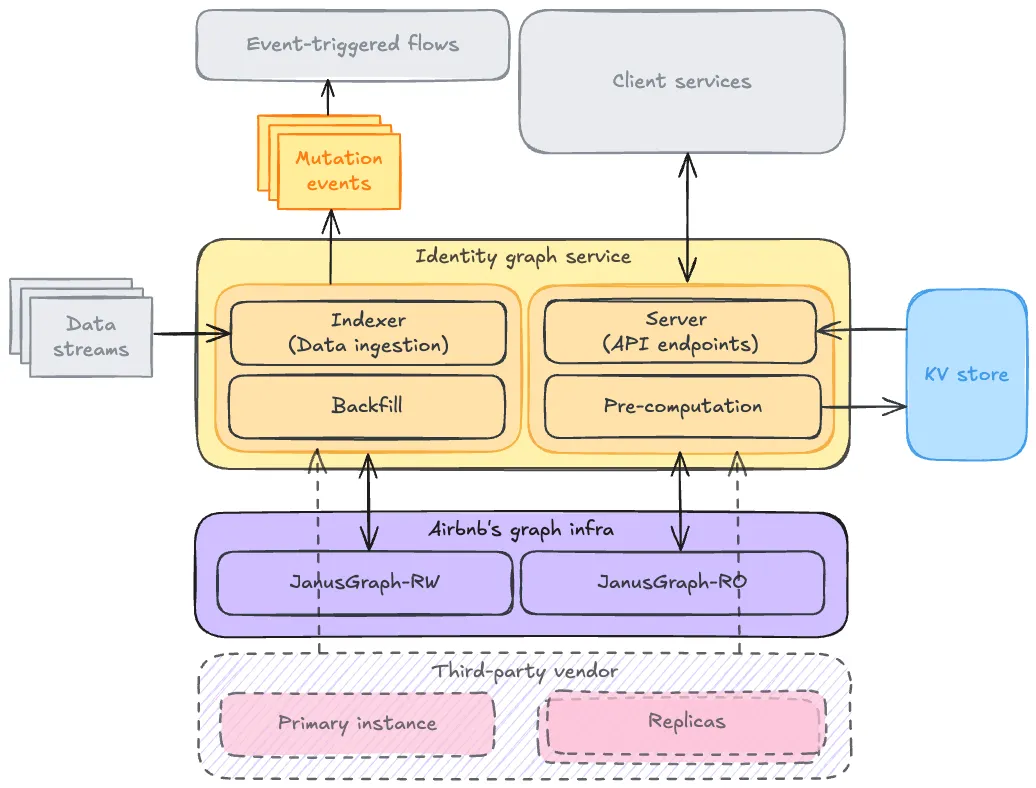
Airbnb describes how they evolved from a PaaS-based identity graph to a unified internal knowledge graph infrastructure, enabling scalable entity resolution and relationship modeling across their platform for trust, safety, and personalization use cases.